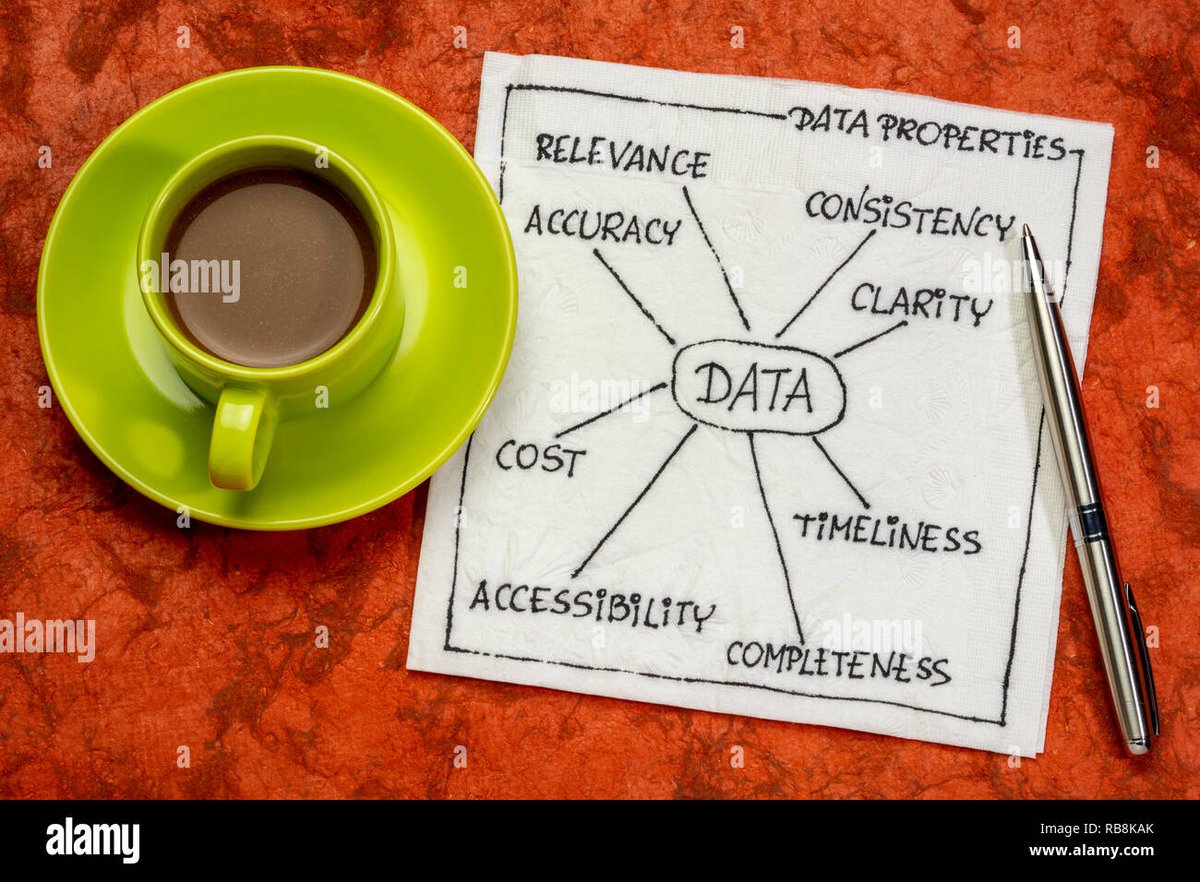
Few cinematic experiences hit harder than a film that speaks directly to the current moment, capturing the collective pulse of society with urgent clarity. This isn't just about a film's release date; it's about Defining 'The Present Film': Timeliness & Relevance—a nuanced art of reflecting, interpreting, and even shaping the contemporary world. These aren't just movies; they're cultural touchstones, often sparking conversations that extend far beyond the theater, echoing our anxieties, celebrating our triumphs, and challenging our perspectives right now.
At a Glance: What Makes a Film "Present"?
- More than just new: A "present film" isn't merely released recently; it actively engages with current societal, political, cultural, or technological issues.
- Timeliness: It's made and distributed when its subject matter is most potent, often reflecting a real-time urgency or a fresh perspective on recent history.
- Relevance: Its themes and narratives resonate deeply with contemporary audiences, provoking thought, emotion, and discussion about the world they inhabit today.
- A cultural mirror: It often serves as a reflection of the collective consciousness, anxieties, hopes, and debates of its era.
- Can be fiction or documentary: While documentaries often spring to mind, powerful narrative films frequently capture the "present" with equal force.
- Risk vs. Reward: While deeply impactful, these films also risk dating quickly or misinterpreting rapidly evolving events.
Beyond the Release Date: The True Meaning of "Present"
You might think "the present film" simply means "a film released recently." But as a seasoned film observer, you know it's much more profound. It’s about a film that, regardless of its budget or genre, feels intensely now. It might be a biting satire on current politics, a poignant drama exploring a recent social upheaval, or a speculative sci-fi piece grappling with emergent technologies. The "present" in this context isn't a calendar date; it's a state of being, a connection to the living, breathing world outside the screen.
Think about how certain films immediately spark conversation, not just about their craft, but about the world itself. They feel urgent because their narratives and themes are inextricably linked to what's unfolding around us, demanding our attention and often inviting introspection or action.
Timeliness: Capturing the Moment, Not Just the Calendar
Timeliness in filmmaking refers to the when—the alignment of a film's creation and release with its subject matter's peak pertinence. It's the swiftness with which a storyteller responds to events, trends, or shifts in the cultural landscape.
- Immediate Response: Some films are born from a direct, urgent reaction to an event—a documentary about a protest movement still unfolding, a narrative feature that fictionalizes a recent crisis. Their timeliness is almost journalistic, striving to capture the raw energy and immediate implications of the moment.
- Retrospective Clarity: Other timely films might look back at very recent history, perhaps a year or two old, but approach it with fresh eyes, new information, or a perspective that wasn't possible in the immediate aftermath. Here, timeliness means striking while the memory is still vivid and the lessons are still being processed by society.
- Anticipatory Relevance: Occasionally, a film can be timely by anticipating future trends, technological impacts, or social dilemmas before they fully materialize. These often become prophetic, proving their timeliness as society catches up to their fictionalized concerns.
The challenge of timeliness is immense. Filmmakers race against the clock, trying to condense complex, evolving realities into a coherent narrative while the world outside keeps turning. Yet, when successful, the impact can be seismic.
Relevance: Resonating with the Contemporary Human Condition
Relevance, on the other hand, delves into the how—how a film connects with and impacts audiences in their contemporary lived experience. A film can be timely, but if it fails to resonate, its impact dwindles. Relevance ensures the film isn't just a historical footnote but a current conversation starter.
- Emotional & Intellectual Connection: A relevant film taps into the collective consciousness, articulating feelings, questions, or frustrations that many are experiencing but perhaps haven't yet voiced. It provides a framework for understanding complex issues.
- Cultural Dialogue: These films often ignite robust discussions, debates, and analyses among viewers, critics, and wider society. They become reference points in conversations about current events, ethics, or social norms.
- Action & Awareness: At its most powerful, relevance can move audiences to action, inspiring them to learn more, challenge existing structures, or advocate for change. It transforms passive viewing into active engagement.
- Universality in Specificity: Truly relevant films often use highly specific current events or characters to explore universal human themes (love, loss, injustice, hope) that transcend the immediate context, giving them a broader and more enduring appeal.
A film can be made decades ago and still possess profound relevance if its themes continue to speak to present-day concerns. Conversely, a film made today might lack relevance if it fails to connect with what truly matters to people now. The "present film" masters both, marrying urgent context with enduring human truth.
The Anatomy of a Present Film: What It Looks Like
How do filmmakers craft a work that feels so intrinsically tied to "the now"? It's a combination of thematic focus, narrative approach, and often, a distinct sense of urgency in its execution.
Themes That Echo the Headlines (and Heartlines)
The most obvious hallmark of a present film is its thematic core. These films don't shy away from:
- Social Justice & Inequality: Racism, sexism, class divides, LGBTQ+ rights, disability advocacy—films tackling these issues often gain immediate traction as movements gain momentum.
- Political Climate: Elections, government policies, geopolitical conflicts, populism, disinformation—these become fertile ground for thrillers, dramas, and even comedies.
- Technological Impact: The rise of AI, social media's pervasive influence, data privacy, virtual reality, automation—filmmakers explore both the utopian promises and dystopian threats.
- Environmental Crisis: Climate change, natural disasters, resource scarcity, pollution—these urgent global challenges provide potent backdrops and central conflicts.
- Public Health & Wellbeing: Pandemics, mental health crises, healthcare access—recent years have shown an undeniable hunger for stories that reflect these personal and societal struggles.
- Cultural Shifts: Changing family structures, evolving gender roles, identity politics, generational divides—films capturing these evolving norms help us understand ourselves better.
Narrative Approaches: Urgency and Authenticity
Beyond the "what," the "how" of storytelling is critical. Present films often adopt certain narrative strategies:
- Realism & Verisimilitude: A preference for gritty realism, naturalistic dialogue, and believable situations can enhance the feeling of "this could be happening now."
- Non-Linear or Fragmented Narratives: Sometimes, to reflect the chaos and uncertainty of current events, filmmakers might opt for narratives that mirror fragmented information streams or the disorientation of crisis.
- Direct Address & Found Footage: Particularly in documentaries or mockumentaries, these techniques can create an immediate, unmediated connection to the subject matter, enhancing urgency.
- Ambiguity & Open Endings: Rather than providing neat resolutions, some present films embrace the messy, unresolved nature of contemporary problems, inviting viewers to grapple with complexity.
- Character-Driven Empathy: Even when tackling grand societal issues, focusing on individual stories and their emotional impact helps make abstract problems relatable and urgent.
The Audience as Co-Conspirator
The "present film" often relies on an engaged audience, one already primed by current events and eager for deeper understanding or catharsis. These films don't just tell a story; they invite viewers into a conversation, turning passive consumption into active participation. They empower us to reflect on The Power of the Present Film to shape our collective understanding.
Why "Present Films" Are Indispensable: More Than Entertainment
You might wonder why we need films that so directly mirror our current woes and wonders. The answer lies in their profound and multifaceted impact.
A Cultural Mirror and Historical Record
Present films hold up a mirror to society, allowing us to see ourselves—our flaws, our strengths, our collective anxieties, and our unspoken hopes—reflected on screen. They provide a unique lens through which to process complex events and emotions. For future generations, these films will serve as invaluable time capsules, offering visceral insights into what it felt like to live through a particular era. They are a form of living history, documenting the spirit of an age.
Catalysts for Dialogue and Change
The most effective present films don't just reflect; they provoke. They spark crucial conversations in homes, classrooms, and online forums. By dramatizing social issues, challenging prevailing narratives, or exposing injustices, they can galvanize public opinion, shift perspectives, and even contribute to social and political change. They can be powerful tools for advocacy and awareness, giving voice to marginalized experiences and amplifying urgent messages.
Building Empathy and Understanding
In an increasingly polarized world, present films offer a vital pathway to empathy. By immersing us in the lives of characters navigating contemporary challenges—whether it's the migrant crisis, a struggle with mental health, or racial discrimination—they allow us to walk in another's shoes. This shared emotional experience can break down barriers, foster understanding, and remind us of our common humanity amidst diverse experiences.
Navigating Complexity: Making Sense of Our World
The modern world is overwhelming, bombarded by news cycles and conflicting information. Present films can help us distill this complexity. They offer narratives that contextualize events, explore underlying causes, and examine the human cost of global phenomena. They provide a space to sit with difficult truths and grapple with questions that have no easy answers, offering a form of collective sense-making.
Navigating the Dual Edge: The Benefits and Pitfalls of Urgency
The very characteristics that give present films their power—timeliness and relevance—also introduce unique challenges and risks.
The Double-Edged Sword of Urgency
| Benefit | Pitfall |
|---|---|
| Immediate Impact | Risk of Dating Quickly |
| Resonates deeply with current mood. | Events move fast; film can feel outdated. |
| Increased Audience Engagement | Sacrificing Nuance for Speed |
| Sparks dialogue, catalyzes action. | Complex issues oversimplified or rushed. |
| Cultural Significance | Potential for Misinterpretation |
| Defines an era, becomes a touchstone. | Rapid production can lead to factual errors. |
| Amplifying Underrepresented Voices | Ethical Quandaries |
| Gives platform to urgent stories. | Exploiting trauma, privacy concerns. |
| Journalistic Clarity | Emotional Burnout/Desensitization |
| Provides context to current events. | Constant exposure to crisis can numb viewers. |
The Risk of Being Dated
One of the greatest challenges for a timely film is the risk of its timeliness becoming its undoing. Events evolve, new information emerges, and public sentiment shifts. A film that felt incredibly urgent last year might feel less potent today if its specific context has passed or if it's been superseded by newer, more immediate stories. Filmmakers must strive for a deeper, more universal resonance that transcends the immediate news cycle.
The Ethical Tightrope Walk
When dealing with unfolding events or sensitive social issues, filmmakers face significant ethical responsibilities. There's a danger of sensationalizing trauma, misrepresenting facts, or exploiting vulnerable individuals for dramatic effect. The pressure to be first or most provocative can sometimes overshadow the need for careful research, respectful portrayal, and long-term impact. Authenticity and integrity become paramount.
Crafting a Durable "Present Film": Beyond Just Speed
So, how do filmmakers create a "present film" that not only speaks to now but also holds its power and relevance for years to come? It's about infusing the immediate with the eternal.
Durability of Themes: The Universal in the Specific
The key lies in identifying the universal human experiences embedded within specific contemporary issues. A film about a particular political scandal might endure if it also explores timeless themes of corruption, power, or betrayal. A film about a social media trend gains longevity if it also delves into the universal desire for connection, validation, or the dangers of mob mentality. By anchoring specific events to broader human truths, the film transcends its immediate context.
Artistic Merit: Craftsmanship Over Clicks
While urgency is important, artistic excellence elevates a timely film from mere commentary to enduring art. Stellar screenwriting, compelling performances, innovative cinematography, and thoughtful direction ensure the film's message is delivered with maximum impact and remains engaging long after its initial cultural moment. A well-made film is more likely to be revisited and re-evaluated, allowing its relevance to be rediscovered by new generations.
Emotional Resonance: The Heart of the Matter
Beyond intellectual understanding, truly great present films tap into our emotions. They make us feel, not just think. Whether it's anger, despair, hope, or joy, the ability to evoke powerful, relatable emotions ensures the film's message sticks with us, fostering a deeper, more personal connection that endures beyond the ebb and flow of news cycles.
Mini Case Snippets: Moments Captured
Let's look at quick, hypothetical examples to illustrate how films capture the "present":
- The AI Ethics Thriller (Fiction): A recent film depicting a near-future where generative AI creates perfect deepfakes, leading to widespread disinformation and a crisis of trust. Its timeliness comes from addressing current fears about AI's rapid advancements; its relevance lies in its exploration of truth, media literacy, and human identity in a digital age—themes that resonate deeply with today's audience.
- The Climate Documentary (Non-Fiction): Released just before a major international climate summit, this documentary follows young activists across continents, showcasing their urgency and innovative solutions. Its timeliness is precisely calibrated to the global political moment, and its relevance is undeniable given the ongoing climate crisis and youth activism.
- The Post-Pandemic Drama (Fiction): A film exploring the subtle shifts in human connection, isolation, and collective trauma a year or two after a global pandemic. It doesn't focus on the event itself, but its aftermath, offering a timely reflection on shared experience and collective healing, making it deeply relevant to those still processing the changes.
Common Misconceptions About Timeliness in Film
Let's clear up some common misunderstandings about what makes a film "present" and impactful.
"Only Documentaries Can Be Present Films."
Misconception: While documentaries often provide direct, immediate commentary on current events, narrative fiction films can be equally, if not more, potent in capturing the "present." Fiction allows for allegory, metaphor, and emotional exploration that can resonate deeply, sometimes even more effectively articulating the spirit of an age than raw facts. Think of dystopian sci-fi that feels eerily prescient, or dramas that humanize complex social issues.
"A Present Film Must Be Made Immediately After an Event."
Misconception: While speed can contribute to timeliness, it's not a strict requirement. Sometimes, a slight delay allows for greater perspective, deeper research, and more nuanced storytelling. A film that reflects on a critical event a year or two later, with the benefit of hindsight and collected narratives, can offer profound relevance that an immediate "hot take" might miss. It's about hitting the right moment, not just the earliest one.
"It's Just About Current Events; Art Can't Solve Problems."
Misconception: While present films often engage with current events, they're not just news reports. They explore the human experience within those events—the fear, resilience, hope, and despair. And while a film alone can't "solve" a problem, it can absolutely raise awareness, change perceptions, foster empathy, and stimulate crucial dialogue, which are often first steps towards solutions. Films shape culture, and culture shapes change.
Your Role as a Viewer: Engaging with the Now on Screen
As audiences, we play a crucial role in validating the timeliness and relevance of films. Your engagement determines a film's impact.
- Watch Critically: Don't just consume; analyze. Ask yourself: What current issue is this film addressing? How effectively does it do so? What perspective is it offering?
- Discuss and Debate: Talk about these films with friends, family, and online communities. Share your insights, listen to others' interpretations, and allow the film to fuel wider conversations.
- Seek Diverse Voices: Actively look for "present films" from a range of filmmakers, especially those with lived experience related to the film's themes. Diverse perspectives enrich our understanding.
- Connect to the Real World: Use the film as a springboard to learn more about the issues it raises. Research the history, support the causes, or engage with the activism it portrays.
- Recognize the Ephemeral: Appreciate the unique moment a timely film occupies, understanding that its immediate impact might shift over time, yet its historical value remains.
Bringing It All Together: Your Guide to the Now on Screen
The pursuit of Defining 'The Present Film': Timeliness & Relevance isn't merely an academic exercise; it's a vital aspect of understanding cinema's enduring power. These films are our collective cultural heartbeat, capturing the zeitgeist and forcing us to confront, question, and ultimately, connect with the world we inhabit.
As you seek out your next cinematic experience, consider not just the story, but its resonance. Does it speak to you, now? Does it illuminate a truth about our time? By engaging with films that master both timeliness and relevance, you're not just watching movies; you're participating in a crucial dialogue about humanity's past, present, and future. Embrace these challenging, thought-provoking works. They are often the most important stories being told.