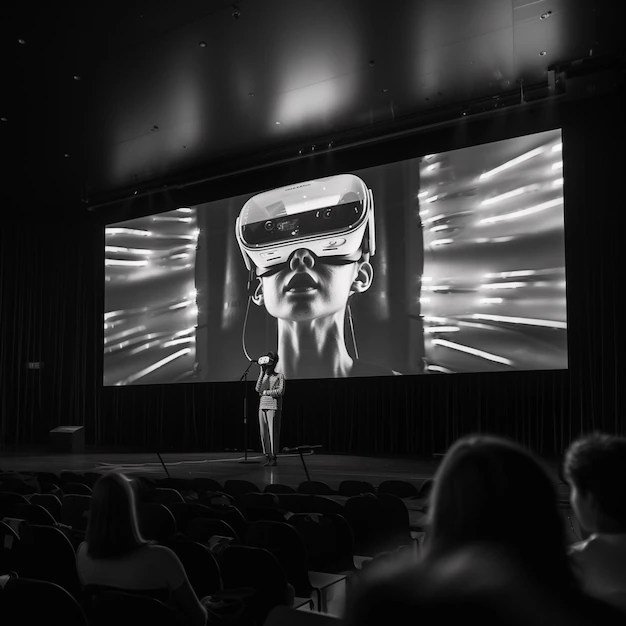
Remember that feeling? Sitting in a darkened theater, popcorn in hand, as the lights dim and the screen explodes with color and sound? For decades, that was the pinnacle of cinematic magic. But today, thanks to relentless Technological Innovations & Immersive Cinematic Experiences, the very definition of "watching a movie" is undergoing a dramatic, multi-sensory transformation. We’re moving beyond just seeing a story unfold; we're now invited to step inside it.
This isn't about bigger screens or louder speakers anymore. It’s about creating an all-encompassing environment that engages every sense, blurring the lines between observer and participant, and making home viewing a distant second to the communal magic of the modern cinema.
At a Glance: The Immersive Cinema Revolution
- Sensory Overload (in the best way): Expect 3D audio, hyper-realistic visuals, haptic feedback, and even synced environmental effects like wind and scent.
- Beyond the Big Screen: Theaters are integrating VR/AR experiences before and after the film, expanding the narrative.
- Your Story, Your Way: AI and big data are paving the way for personalized narratives, character arcs, and even interactive plot choices.
- Comfort and Customization: Reclining, heated seats and mobile app controls for your environment are becoming standard.
- Sustainable and Decentralized: Filmmaking is evolving with eco-friendly practices and blockchain-backed production models.
- Accessible Magic: Premium experiences are more widespread, and new content delivery methods ensure everyone can tap into the future of film.
The New Era of Cinema: Beyond the Screen
For years, home entertainment systems threatened to make the cinema experience obsolete. With larger TVs, surround sound, and streaming convenience, why leave the couch? The answer lies in the unreplicable power of shared, high-value experiences. Modern movie theaters aren't just showing films; they're crafting curated events designed to transport you completely. This evolution is a direct response to consumer demand for something more, something unforgettable, something home cannot deliver.
What 'Immersive' Really Means
When we talk about an "immersive cinematic experience," we're not just throwing around buzzwords. We're referring to a multi-sensory engagement that goes far beyond traditional sight and sound. It means systems that create three-dimensional soundscapes, visuals with breathtaking clarity and depth, and physical sensations that sync perfectly with the on-screen action. It’s about building a narrative environment that you don't just watch, but inhabit.
Unleashing the Senses: Current Technologies Making Waves
The foundation of this new cinematic era is built on sophisticated technology that elevates every facet of the viewing experience. From the moment the film begins, your senses are engaged like never before.
Soundscapes That Surround You
Forget stereo or even basic surround sound. Today's immersive audio systems create a sphere of sound, where individual effects can be precisely placed and moved around you, above you, and even behind you.
- Object-Based Audio: Technologies like Dolby Atmos lead the charge, moving beyond channel-based audio. Instead of assigning sounds to specific speakers (left, right, center), Atmos treats sounds as "objects" that can be positioned anywhere in a 3D space, creating a truly enveloping soundscape. This means a helicopter doesn't just sound like it's behind you; it sounds like it's flying over your head from back to front.
- Precision and Power: Advanced speaker systems from innovators like Meyer Sound and Dolby deliver unparalleled clarity, powerful bass, and dynamic range, ensuring every whisper and explosion resonates perfectly.
- Consistent Quality: To ensure every showing is perfect, automated calibration tools such as Qalif Spectro work behind the scenes, guaranteeing consistent sound quality and performance across all speakers.
Visuals That Pop and Glow
The picture quality in immersive cinemas isn't just "good"; it's a window into another reality, offering unprecedented brightness, color accuracy, and contrast.
- Laser Projection: Gone are the days of dim, faded projections. Laser projectors, like Christie’s Real|Laser lineup, offer ultra-high brightness and an incredibly wide color gamut, reproducing almost the entire Rec. 2020 color spectrum. This means colors are vibrant, blacks are deeper, and the image literally leaps off the screen.
- High Dynamic Range (HDR): Projectors from companies like Barco and Christie leverage HDR technology to enhance brightness and color depth even further. This allows for greater detail in both the darkest shadows and the brightest highlights, making the image much closer to what the human eye perceives in real life.
- LED Screens: Taking visuals a step further, Samsung’s Onyx Cinema LED screens are essentially massive, seamless LED walls. These deliver ultra-high contrast ratios and perfect black levels, creating a stunning picture quality. A bonus? They allow for seamless sound integration directly behind the screen, eliminating the need for perforated screens that can slightly compromise image clarity.
- Advanced 3D: While 3D has had its ups and downs, modern immersive experiences are refining it. Six-primary laser technology enhances depth perception, making 3D visuals sharper, more comfortable to view, and genuinely adding to the immersion rather than detracting from it.
Experiencing the Film Physically
Perhaps the most visceral shift in immersive cinema comes from systems that add tactile and environmental sensations, pulling you directly into the action.
- 4DX and Beyond: Technologies like 4DX are pioneers in this space. Imagine feeling the rumble of an earthquake beneath your seat, a gust of wind as a car speeds by on screen, a mist of water during a rainstorm, or even the scent of coffee in a café scene. These physical sensations—motion seats, wind, water, scents—are precisely synced with the on-screen events, creating an "embodied experience" that transcends traditional viewing. It’s literally feeling the film.
Beyond the Main Feature: Extended Reality (XR/VR) Add-ons
The immersive experience isn't limited to the film itself. Cinemas are now using Extended Reality (XR) and Virtual Reality (VR) to enhance engagement before and after the screening. Picture stepping into a VR experience that transports you to a character's world or interacting with AR elements that bring movie lore to life in the lobby. These interactive elements extend the storytelling, making your visit a holistic journey into the cinematic universe.
Personalization and Interaction: Your Story, Your Way
The future of cinema is not just about technology; it's about you. These innovations are leading us toward experiences that are increasingly personalized and interactive, transforming passive viewing into active participation.
Interactive Storytelling
The idea of making choices that affect a film’s narrative is no longer confined to video games. Interactive films are emerging, putting the audience in the director's chair, making decisions that alter character development and plotlines. Netflix's "Bandersnatch" proved this concept can work on a mass scale, fostering new content creators and challenging the very foundation of linear storytelling. In theaters, this might manifest as real-time audience polling that influences minor plot points or leads to alternate endings.
Tailored Experiences
Imagine a cinema visit where every aspect is optimized for your preferences. This isn't science fiction.
- AI-Driven Analytics: Artificial intelligence and big data algorithms are being used to analyze audience behavior, allowing cinemas to personalize everything from content recommendations to optimized scheduling. This means the cinema might suggest a film based on your past viewing habits or offer showtimes that align with your typical availability.
- Mobile App Customization: Many modern cinemas are already offering mobile apps that allow you to customize your experience. This could mean adjusting your seat settings (recline, heat), pre-ordering gourmet concessions to be delivered to your seat, or even subtly influencing the lighting in premium lounges. This level of control makes the communal experience feel uniquely yours.
Content Collaboration: Bridging Theatrical and Streaming
The traditional divide between theatrical releases and streaming content is blurring. Cinemas are exploring innovative business models like hybrid release schedules, exclusive theatre-only screenings of streaming content, and live-streamed events (concerts, sports, gaming tournaments). These collaborations provide more diverse content and new reasons to visit the big screen, reinforcing the theater's role as a cultural hub.
The Future is Now: Emerging Frontiers in Immersive Cinema
The innovations we see today are just the beginning. The horizon of immersive cinema promises even more profound transformations, allowing audiences to truly "inhabit" narratives rather than just observe them.
Next-Level Sensory Engagement
The drive to engage all five senses for deeper emotional connection continues.
- Haptic Feedback Systems: Beyond motion seats, advanced haptic feedback embedded in seats or wearable devices could allow you to feel the texture of a character's cloak or the vibrations of a distant explosion with incredible precision.
- Digital Scent Technology: While 4DX offers basic scents, future systems promise more nuanced and complex digital scent delivery, capable of replicating a wider array of smells with greater accuracy, seamlessly integrated into the narrative.
- Advanced VR/AR Integration: Imagine putting on an AR headset in the cinema that blends digital elements with the physical environment, or entering a full VR experience that serves as a prologue, immersing you in the story's world before the main film even begins.
Narratives That Adapt to You
Building on interactive films, the future may see personalized narratives evolve further. AI algorithms could analyze your real-time reactions—your facial expressions, heart rate, or choices—to subtly adjust storylines, character developments, or even plot outcomes on the fly. This could encourage multiple viewings, as each experience could be unique to the individual.
Sustainable Storytelling
As environmental consciousness grows, the film industry is embracing sustainable filmmaking. This means minimizing the carbon footprint through:
- Digital Platforms: Reducing the need for physical prints and travel.
- Eco-Friendly Materials: Using sustainable materials for sets, props, and even concessions packaging.
- Virtual Film Sets: Leveraging LED screens and virtual production techniques (like those used in "The Mandalorian") to create expansive digital environments, reducing the need for costly and resource-intensive physical sets. These methods not only align with eco-conscious audience preferences but also offer significant cost-effective solutions.
Decentralized Creative Power
Blockchain technology is poised to revolutionize film production and distribution. By removing traditional "gatekeepers," blockchain empowers independent filmmakers, granting them more control over their projects and a fairer share of the profits. This model facilitates transparent crowdfunding, direct distribution to audiences, and enhanced global collaboration, fostering an explosion of innovation and diverse storytelling.
Seamless Access: The Rise of 5G and Digital Delivery
The dominance of digital streaming continues, prioritizing accessibility and convenience. The widespread rollout of 5G networks and advancements in internet infrastructure are enabling seamless, high-definition streaming on demand across a multitude of personal screens. This expands global audiences and continuously challenges, yet also complements, conventional theatre models. To truly Discover the power of present film, one must acknowledge its pervasive digital presence alongside its theatrical grandeur.
Beyond the Blockbuster: Boutique and Pop-Up Experiences
The immersive revolution isn't just for massive multiplexes. Smaller, boutique cinemas and even pop-up venues are finding ways to participate.
- Compact Innovation: The development of smaller, short-throw projectors and modular sensory systems allows these venues to create highly immersive spaces without requiring vast amounts of real estate or colossal budgets. This brings premium experiences to more intimate settings, often with unique programming.
- Comfort and Concessions: Modern cinemas are also elevating the non-film aspects of the experience. Reclining, heated seats, curated gourmet concessions (beyond just popcorn), and sophisticated lounge areas are becoming standard. These thoughtful touches transform a simple movie outing into a luxurious escape, further differentiating it from the home viewing experience.
Making Immersive Cinema Accessible: Guidance for Audiences and Industry
Ready to dive into the future of film? Or perhaps you're an industry professional looking to lead the charge? Here's how to navigate this exciting new landscape.
For Moviegoers: Finding Your Immersive Experience
- Know What to Look For: When checking major cinema chain websites (or their apps), don't just look for showtimes. Actively search for "Dolby Cinema," "IMAX," "4DX," "ScreenX," "D-BOX," or generic terms like "immersive movie experiences," "special experiences," or "premium formats." These are the keywords indicating enhanced offerings.
- Utilize Cinema Apps: Download the official apps for your preferred cinema chains. These often provide detailed descriptions of their premium formats, allow you to filter by specific technologies, and offer personalized notifications for upcoming events and customized seating or food orders.
- Read Reviews: Before you go, check out reviews specific to the immersive format for that particular film. Some films are designed to maximize these technologies, while others might not leverage them as effectively.
For Industry Professionals & Operators: Charting the Course
The shift to immersive cinema presents both incredible opportunities and unique challenges.
- Strategic Partnerships: Explore collaborations with leading technology providers. Companies like Christie Digital, Barco, Samsung, Dolby, and 4DX offer comprehensive solutions and support. Leveraging these partnerships can provide access to cutting-edge tech and industry expertise.
- Stay Informed: Attend industry expos like CinemaCon and local trade shows. These events are crucial for understanding the latest advancements, networking with peers, and discovering new business models.
- Mitigate High Costs: Investing in immersive technology can be substantial. Explore options such as:
- Vendor Financing: Many technology providers offer financing options to help ease the initial investment.
- Industry Consortiums: Joining groups of cinema operators can lead to shared resources, bulk purchasing discounts, and collective bargaining power.
- Phased Upgrades: You don't have to overhaul everything at once. Start with incremental upgrades (e.g., a new audio system first, then projectors) to manage budgets and learning curves.
- Staff Training: Invest in comprehensive training for your technical and operational staff to ensure smooth adoption and optimal use of new systems. A great experience requires great execution.
- Start Small: For smaller operators or boutique cinemas, consider incremental enhancements. Even smaller, short-throw projectors and focused audio upgrades can create a significantly more immersive experience, proving that "immersive" isn't exclusive to the largest venues.
Addressing the Doubts: Common Questions about Immersive Cinema
Despite the excitement, some questions inevitably arise regarding these new cinematic frontiers.
Is immersive cinema just a gimmick?
Far from it. While some early attempts at immersive technologies might have felt novelty-driven, today's innovations are deeply integrated into the storytelling process. When done right, technologies like Dolby Atmos, 4DX, and advanced visuals don't distract; they enhance emotional connection, heighten suspense, and make you feel more profoundly connected to the narrative. It's about deepening the experience, not just adding flashing lights.
Is it too expensive? Will only premium audiences benefit?
While premium formats naturally command a higher ticket price, the industry is working to make these experiences accessible. Tiered pricing structures allow audiences to choose their level of immersion, and as technologies become more widespread, costs will naturally decrease. Furthermore, the focus on boutique and pop-up cinemas demonstrates that high-quality immersive experiences can be scaled for various budgets and venues, not just luxury multiplexes.
Will immersive cinema replace traditional home viewing or streaming?
No, it's more likely to complement it. Immersive cinema offers a distinct, high-value, communal, and often physically engaging experience that simply cannot be replicated at home. Streaming offers unparalleled convenience and access. These two modes of content consumption cater to different needs and occasions. Just as live theater continues to thrive alongside television, immersive cinema provides a unique draw that encourages people to step out and engage with stories in a profoundly different way.
The Evolving Canvas of Storytelling
The journey into truly immersive cinematic experiences is just gaining momentum. From enveloping soundscapes and hyper-realistic visuals to physical sensations and personalized narratives, the boundaries of storytelling are continuously expanding. For audiences, this means a richer, more engaging world to explore with every visit to the cinema. For industry professionals, it's an exciting call to innovate, pushing the limits of what's possible and redefining the communal magic of movies for generations to come. The future of film isn't just on the screen; it's all around you.