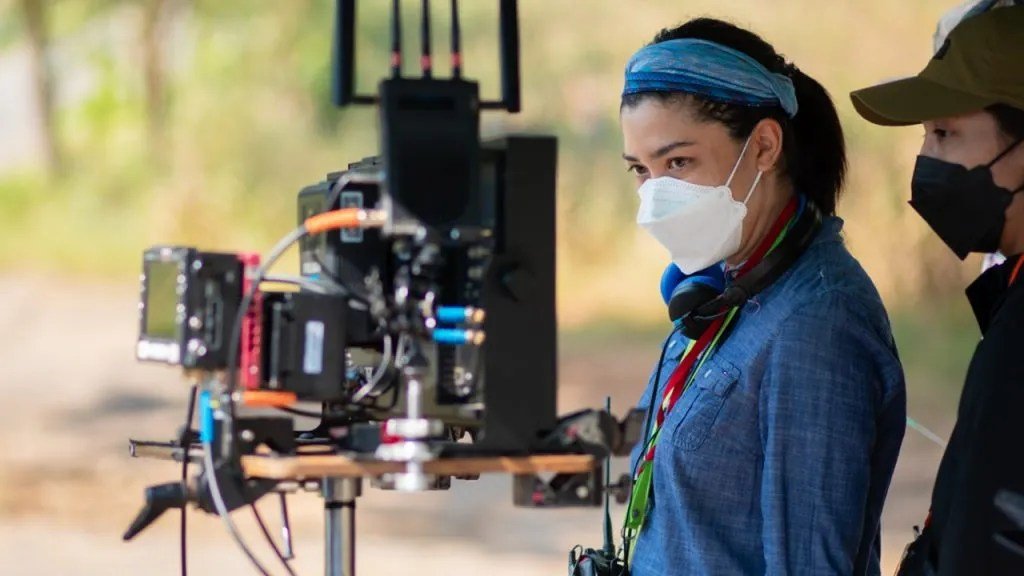
In a world saturated with information, where every moment seems to blink by in a feed, the true power of The Documentarian's Lens: Capturing & Influencing the Now stands as a beacon. It's the unique ability of a thoughtfully crafted documentary, whether through moving images or a powerful still photograph, to cut through the noise, anchor us to reality, and provoke profound change. This isn't just about recording history; it's about actively shaping it, one story at a time.
At a Glance: Why Documentaries Matter More Than Ever
- Illuminating Truths: Documentaries bring hidden stories, complex issues, and crucial ethical dilemmas into public view.
- Bridging Gaps: They translate intricate scientific or technological concepts into understandable narratives for everyone.
- Fostering Empathy: By showcasing diverse human experiences, documentaries build connection and understanding across communities.
- Driving Action: From policy changes to grassroots movements, they inspire tangible shifts in behavior and societal norms.
- Shaping Futures: They encourage critical thinking about potential outcomes and inspire innovative solutions.
- Ethical Responsibility: With great power comes the need for integrity, consent, and a critical awareness of potential biases.
The Unblinking Eye of Video: Shaping Minds and Moving Mountains
When we talk about "the lens" in a grand sense, it often conjures the cinematic scope of video documentaries. These aren't just films; they are meticulously researched, compellingly edited narratives designed to inform, persuade, and challenge. They hold immense sway over public perception, turning abstract concepts into urgent, human stories.
Unmasking Ethical Labyrinths: The Cost of Our Comfort
Sometimes, the truth behind our everyday conveniences is far from pretty. Documentaries excel at pulling back the curtain on industries and practices that thrive in the shadows, revealing the ethical implications of corporate actions and consumer habits. Think of films like "The True Cost," which laid bare the devastating human and environmental impact of fast fashion. It wasn't just a exposé; it was a call to conscience, inspiring activism for fair trade, sustainable practices, and accountability across a global supply chain. By challenging the status quo, these films don't just point fingers; they empower viewers to demand better.
Decoding Tomorrow's Tech Today: Making the Complex Accessible
The pace of technological advancement can feel dizzying, leaving many struggling to grasp its implications. Documentaries serve as crucial translators, demystifying complex scientific jargon and intricate concepts, making them accessible to a broad audience. Consider "The Social Dilemma," which broke down the hidden algorithms of social media, revealing their profound impact on our psychology and society. Similarly, films like "AlphaGo" didn't just showcase AI progression; they brought the abstract world of artificial intelligence into relatable terms, fostering public engagement and encouraging adaptation to rapid technological shifts. This knowledge isn't merely academic; it's about empowering informed decision-making in a tech-driven world, enhancing public literacy in technology far beyond the expert community.
Fueling Collective Action and Speculating on Possible Futures
The documentarian's lens often points towards horizons – both challenging and hopeful. Films focusing on global issues, like climate change, don't just present data; they weave narratives that unite people around shared causes, inspiring collective action. They foster inclusivity and empathy, transforming individual concern into collective effort for global challenges. We've seen environmental activism mobilize worldwide thanks to powerful visual storytelling.
Beyond immediate crises, documentaries also offer glimpses into what could be. "2040," for instance, presents optimistic visions for a sustainable future, prompting audiences to consider various scenarios and outcomes. It's a proactive use of the lens, inspiring hope and determination rather than just documenting despair. These films engage with the idea of "The Power of Present Film" by showing how current choices can dramatically shape future realities.
From Screen to Policy: Real-World Legislative Impact
The ripple effect of a well-received documentary can reach the highest echelons of power. By bringing urgent issues directly to policymakers, these films generate significant public pressure for legislative change. "Blackfish" is a potent example, whose visceral portrayal of captive orcas led to substantial changes in marine park practices and public opinion regarding animal welfare. These documentaries mobilize public sentiment, fostering a climate where political accountability and reform become not just desirable, but inevitable. They demonstrate how visual evidence can be a powerful catalyst in legislative arenas.
Inspiring the Next Wave of Innovators
Sometimes, the lens focuses on groundbreaking achievements and audacious ideas, showcasing the human spirit's drive to innovate. While "The Inventor: Out for Blood in Silicon Valley" served as a cautionary tale of ambition gone awry, it, like many stories about innovation, still sparks curiosity. By highlighting both the triumphs and pitfalls of pioneering work, documentaries motivate young learners to explore new fields, challenge existing paradigms, and contribute their own advancements. They illustrate the journey of creation, inspiring future generations to pick up the mantle of discovery.
Guiding Consumer Choices and Challenging Technological Hype
Documentaries also play a subtle yet significant role in shaping our daily lives by influencing consumer preferences. By highlighting the advantages and disadvantages of emerging technologies or lifestyle choices, they guide adoption rates and promote educated decisions. "Minimalism" encouraged viewers to re-evaluate their consumption habits, promoting ethical consumption and sustainable practices.
Crucially, the documentarian's lens can also act as a scrutinizing eye, providing balanced perspectives on new technologies and challenging unfounded hype. Films like "The Great Hack" delved into the ethical considerations and implications of data harvesting, debunking myths and encouraging critical reflection for sustainable and ethical innovation. They don't just inform; they equip us to question, to seek deeper understanding before embracing the next big thing.
Raising Environmental Awareness: A Call to Stewardship
Few genres have had as profound an impact on a single global issue as environmental documentaries. "An Inconvenient Truth" on climate change is perhaps the most famous example, bringing ecological concerns to the forefront of public discussion and initiating widespread movements. These films transform abstract scientific warnings into tangible, urgent realities, provoking a sense of urgency and shared responsibility for environmental stewardship that resonates globally. They are powerful tools for mobilizing collective action against ecological degradation.
The Still Image's Silent Roar: Photography as a Catalyst
While video tells stories over time, documentary photography captures moments that freeze time, often distilling complex narratives into a single, powerful frame. It's an art form that demands patience, an acute sense of observation, and a profound respect for the subject.
Bearing Witness: Humanity in a Frame
Documentary photography captures the raw, unfiltered essence of human lives – their struggles, triumphs, joys, and the quiet moments of everyday existence. From the haunting portraits of the Great Depression by Dorothea Lange to the poignant images of conflict zones today, these photographs foster immediate empathy and understanding. They transcend language barriers, speaking directly to our shared humanity and reminding us of the diverse tapestry of life across the globe. Each click of the shutter is an act of bearing witness, a testament to what was and what is.
Crafting Narratives, One Shot at a Time
Unlike the sequential storytelling of film, documentary photography often builds narratives through a series of carefully composed images and thoughtful sequencing. A single photograph can provoke a question, challenge a perception, or ignite a conversation that lasts for generations. The art lies not just in capturing an image, but in selecting, editing, and presenting it in a way that amplifies its message. It's about distilling the emotional core of a situation, inviting viewers to delve deeper into its context and implications.
Advocacy Through Lens: Giving Voice to the Voiceless
Perhaps one of the most powerful roles of documentary photography is its capacity for social commentary and advocacy. By exposing injustices in conflicts, humanitarian crises, or within marginalized communities, these images become catalysts for change. They shape public opinion, stir consciences, and lend a voice to those who might otherwise remain unheard. Historically, images of child labor or segregation have been instrumental in driving policy reform and shifting societal attitudes. Today, photographers continue to challenge stereotypes and highlight underrepresented stories, fostering a more inclusive and equitable society, one frame at a time.
Navigating the Ethical Tightrope: Responsibility Behind the Lens
Whether wielding a video camera or a still camera, the documentarian holds immense power. This power comes with significant ethical responsibilities, demanding careful consideration and integrity.
The Peril of Bias: What to Watch For
It's crucial to remember that every documentary, regardless of medium, is created through a specific lens – literally and figuratively. Documentaries, by their very nature, often have a point of view, a message they intend to convey. This means they can have inherent biases and agendas, even if unintentional.
As viewers, cultivating critical viewing skills is paramount. Ask yourself:
- Whose story is being told, and whose isn't?
- What evidence is presented, and what might be omitted?
- What emotional appeals are being made?
- Who funded this project, and what might be their interests?
Engaging with a broad spectrum of films and sources, rather than relying on a single narrative, is crucial for developing a well-rounded understanding of any issue. The goal isn't to dismiss documentaries, but to engage with them thoughtfully and critically.
Informed Consent & Cultural Sensitivity
For the documentarian, ethical responsibility is a constant companion. Capturing authentic moments must always be balanced with respecting the dignity, privacy, and autonomy of the subjects. This often requires:
- Informed Consent: Ensuring subjects fully understand how their image or story will be used, and freely agree to participate. This isn't just a legal formality; it's a moral imperative.
- Cultural Sensitivity: Approaching diverse communities with respect for their customs, beliefs, and privacy norms. What might be acceptable in one culture could be deeply offensive in another. Avoid perpetuating stereotypes or exoticizing subjects.
- Journalistic Integrity: Maintaining accuracy, fairness, and transparency. This means avoiding staging scenes, misrepresenting facts, or manipulating images to fit a predetermined narrative.
The ethical documentarian recognizes that their work has real-world consequences for the people they portray, and acts accordingly.
Authenticity vs. Manipulation: Where Do We Draw the Line?
In the pursuit of a compelling story, there's a fine line between creative storytelling and manipulative misrepresentation. While editing choices and narrative framing are inherent to the documentary process, deliberately altering events, selectively presenting evidence, or using sensationalism to provoke a reaction crosses an ethical boundary. The documentarian's goal should be to reveal truth, not invent it. This commitment to authenticity builds trust with the audience and ensures the long-term credibility and impact of the work.
Becoming the Lens: Practical Steps for Aspiring Documentarians
Feeling inspired? The good news is that powerful storytelling is within reach. Here are some practical steps if you're considering picking up the documentarian's lens yourself.
Finding Your Story: Start with What Moves You
The best documentaries often spring from deep personal curiosity or a burning passion for a particular issue.
- Look Locally: What issues are affecting your community? Are there unsung heroes or unique cultural practices?
- Personal Connection: Does a particular injustice or achievement resonate with you on a personal level? Your authentic connection will shine through.
- Untold Tales: Is there a perspective missing from current conversations? A voice that needs to be heard?
Don't chase trends; chase genuine interest.
Research & Access: The Foundation of Trust
Before you even think about filming or photographing, thorough research is paramount. Understand the history, context, and various perspectives surrounding your chosen subject. Gaining access to your subjects often depends on building trust. Be transparent about your intentions, explain your process, and always honor your commitments. A strong relationship with your subjects is the bedrock of ethical and impactful documentary work.
Crafting Your Narrative Arc: More Than Just Facts
A documentary isn't just a collection of facts; it's a story. Think about:
- The Hook: What will grab your audience's attention immediately?
- Characters: Who are the central figures, and what are their journeys?
- Conflict/Challenge: What obstacles do they face?
- Resolution/Reflection: What insights or changes emerge by the end?
Even a single photo series benefits from an overarching theme or message that guides the viewer's interpretation. Storytelling principles apply universally.
Technical Craft & Tools: You Don't Need Hollywood
While professional equipment can be an asset, it's not a prerequisite for powerful documentary work. Modern smartphones have incredible capabilities. Focus on:
- Composition: How you frame your shots (rule of thirds, leading lines, negative space).
- Lighting: Natural light is often your best friend.
- Sound (for video): Clear audio is often more important than crisp video. External microphones are a worthy investment.
- Editing: Learning basic editing software (even free ones) can transform raw footage or images into a cohesive narrative.
Remember, the story comes first; the technology supports it.
Distribution & Impact Strategy: Who Needs to See This?
Once your documentary or photo series is complete, think about how it will reach its intended audience.
- Film Festivals: A great way to gain exposure and validation.
- Online Platforms: YouTube, Vimeo, social media, or even a personal website can provide broad reach.
- Community Screenings/Exhibitions: Target specific groups or communities that would benefit most from your message.
- Partnerships: Collaborate with NGOs, advocacy groups, or educational institutions to amplify your impact.
Think strategically about how your work can create the change you envision.
The Future of Documentary: New Frontiers, Enduring Purpose
The landscape of documentary storytelling is constantly evolving. Virtual reality (VR) and augmented reality (AR) are opening new immersive frontiers, allowing audiences to step directly into stories like never before. Interactive documentaries are giving viewers agency, allowing them to explore narratives from multiple perspectives. AI-powered analytics can help identify impactful stories and reach targeted audiences.
Yet, amidst these technological advancements, the core purpose of the documentarian's lens remains steadfast: to capture and influence the now. To bear witness, to educate, to challenge, and to inspire. The tools may change, but the human need for truth, empathy, and connection through authentic storytelling endures.
Your Call to Action: Pick Up the Lens, Influence the Now
Whether you're an aspiring filmmaker, a budding photographer, or simply an engaged citizen, the power of the documentarian's lens belongs to us all. It's a testament to the idea that visuals can not only reflect our world but actively shape it. Embrace critical thinking as a viewer, and consider how you might use your own voice and perspective to illuminate important truths. Every story told, every injustice exposed, every beautiful moment captured contributes to a richer, more informed, and ultimately, more compassionate society. The now is waiting for your lens.